Relieve Muscle Knots
Using a Ball
You can ease muscle tension and reduce pain using a tennis ball through straightforward techniques. Many people suffering from chronic muscle discomfort may be dealing with Myofascial Pain Syndrome—a condition where pressure on sensitive areas in the muscles (trigger points) causes localized pain or discomfort in other unrelated parts of the body (referred pain). This condition often stems from repetitive movements related to work, physical activity, or prolonged stress that result in tight muscle fibers forming trigger points. Unlike general muscle tightness, myofascial pain tends to persist or worsen over time.
One effective self-treatment is Self-Myofascial Release (SMR), which relaxes tight muscles, enhances blood and lymph flow, and activates muscle stretch reflexes. A tennis ball serves as a practical, portable, and easy-to-use tool for this technique.
Massage Ball Guide
Releasing tension in fascia and trigger points may cause mild soreness or discomfort—similar to what you might feel after a deep tissue massage. Here are some helpful tips:
• Warm up the area first by walking, stretching, or applying heat.
• When you find a tight spot, apply pressure with the ball and hold it in place. The sensation should be intense but relieving—not painful.
• Maintain steady pressure for 20 to 30 seconds, breathing deeply until the tension begins to ease.
• Stop if the discomfort worsens or feels sharp—always listen to your body.
• After releasing the muscle, follow up with a slow, static stretch.
These exercises can be done daily using a mat and one or two tennis balls. Common target areas include the upper back, glutes, calves, and feet.
Disclaimer: This information is for general guidance only and not a substitute for medical advice. Always consult your physician or a qualified health professional before beginning any self-myofascial release or exercise routine.
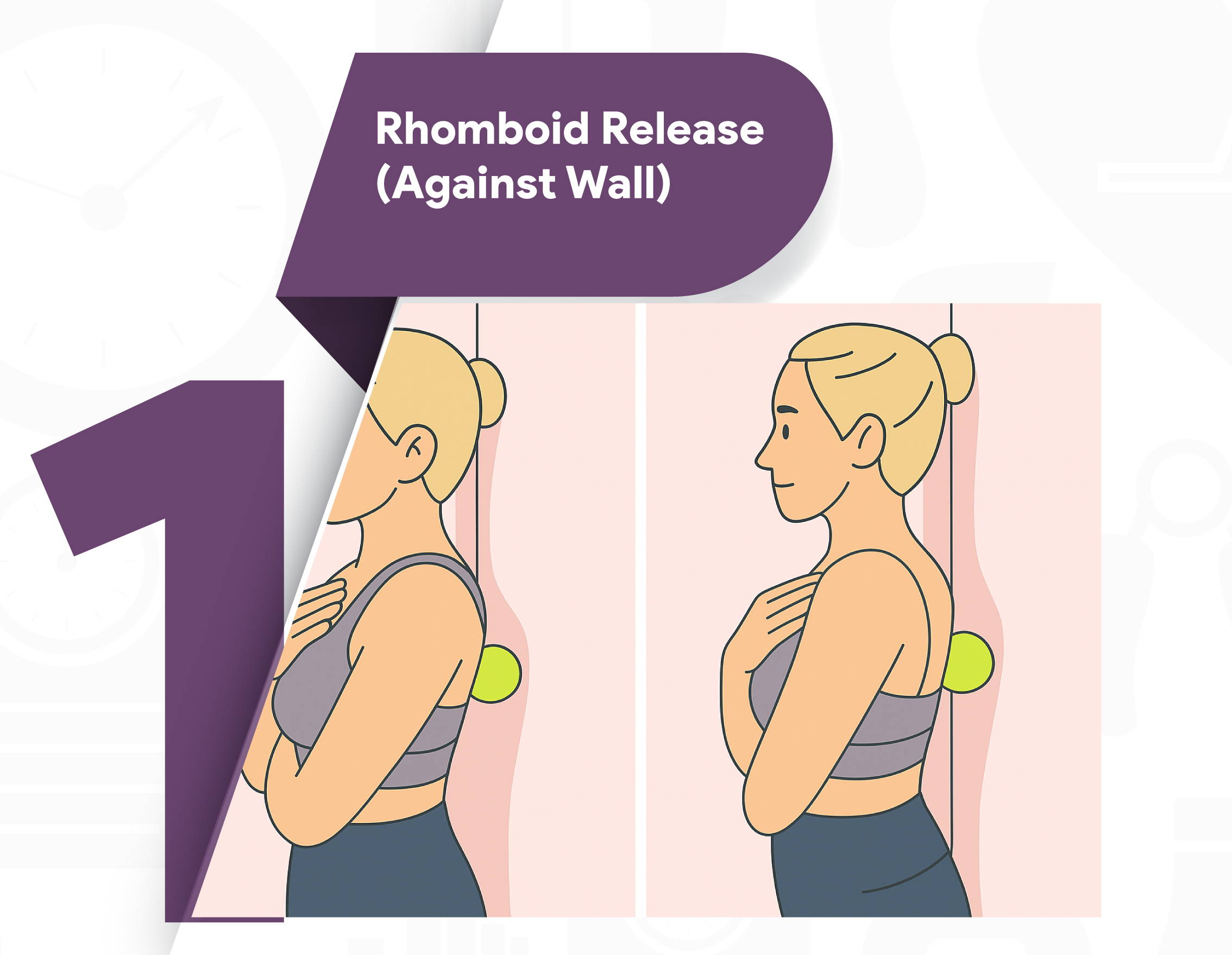
Rhomboid Release
Pain between your shoulder blades may result from rhomboid trigger points.
1. Stand with a ball between your shoulder blade and spine.
2. Cross your arms and slowly roll the ball up and down.
3. Stop at any tight areas and hold for 20–30 seconds. Switch sides as needed.
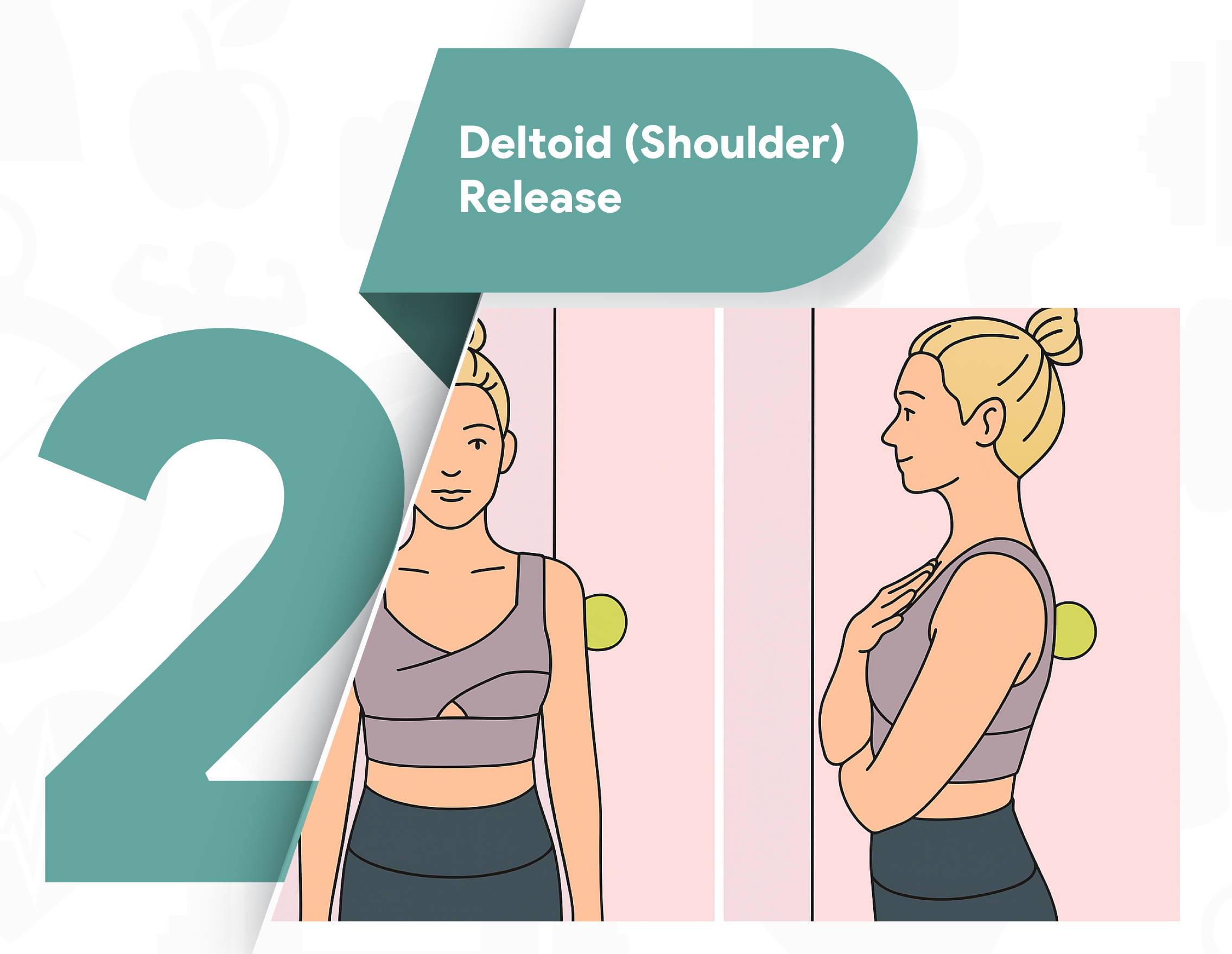
Delt Release
Tension in the deltoid muscle can radiate to the upper arm, shoulder blade, or front of the shoulder.
1. Lean against a wall with the ball on the outside of the shoulder.
2. Roll gently over the upper arm and pause on sore spots.
3. Move the ball to the back of the shoulder and repeat. Switch sides.
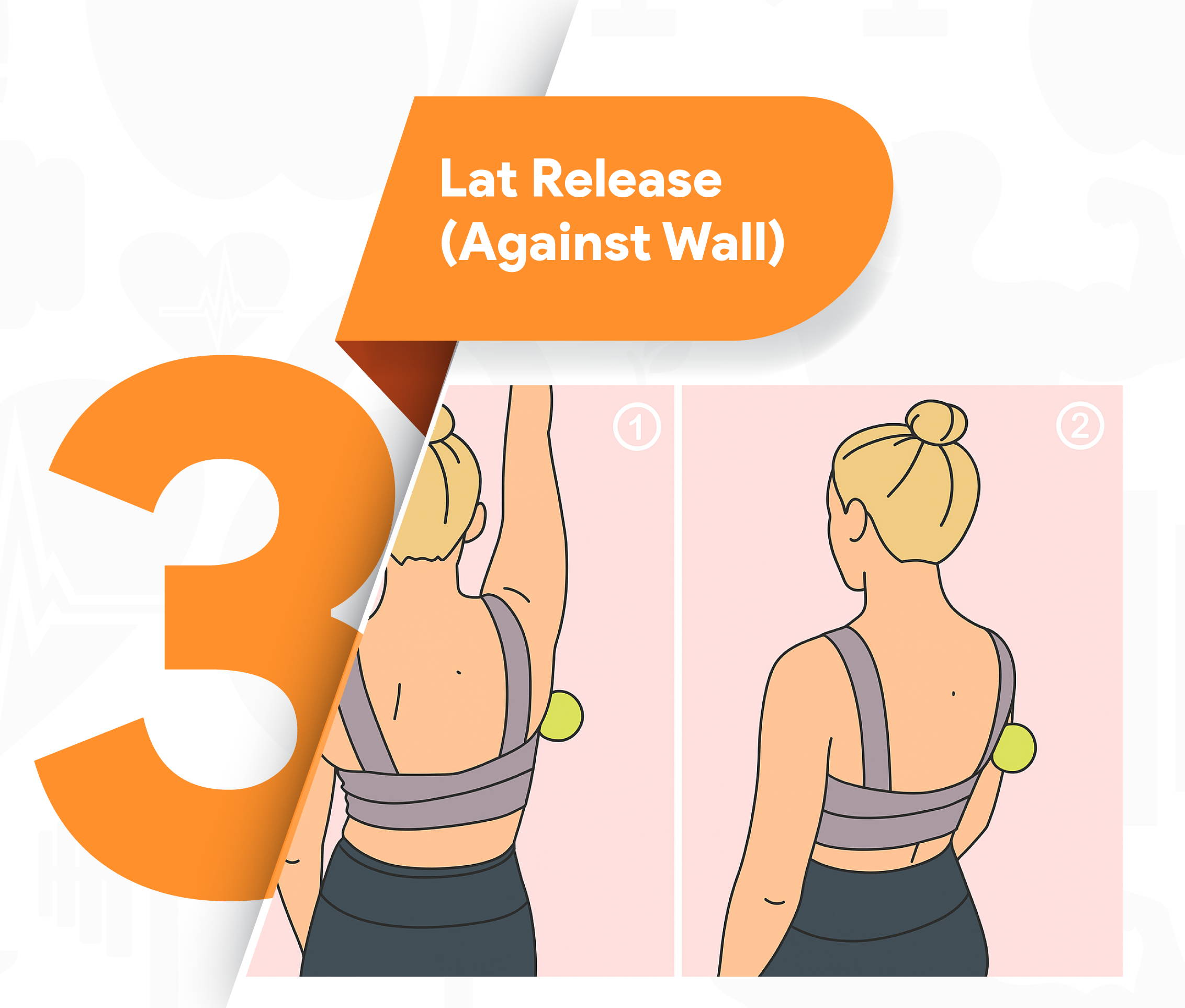
Lat Release
Tightness in the lat muscles may cause pain along the mid-back, shoulder blade, or down the arm.
1. Stand and raise one arm above your head, placing the ball under the armpit against a wall.
2. Gently lean into the ball and roll to find sore spots, avoiding the spine.
3. When a trigger point is found, pause for 20–30 seconds. Then switch sides.
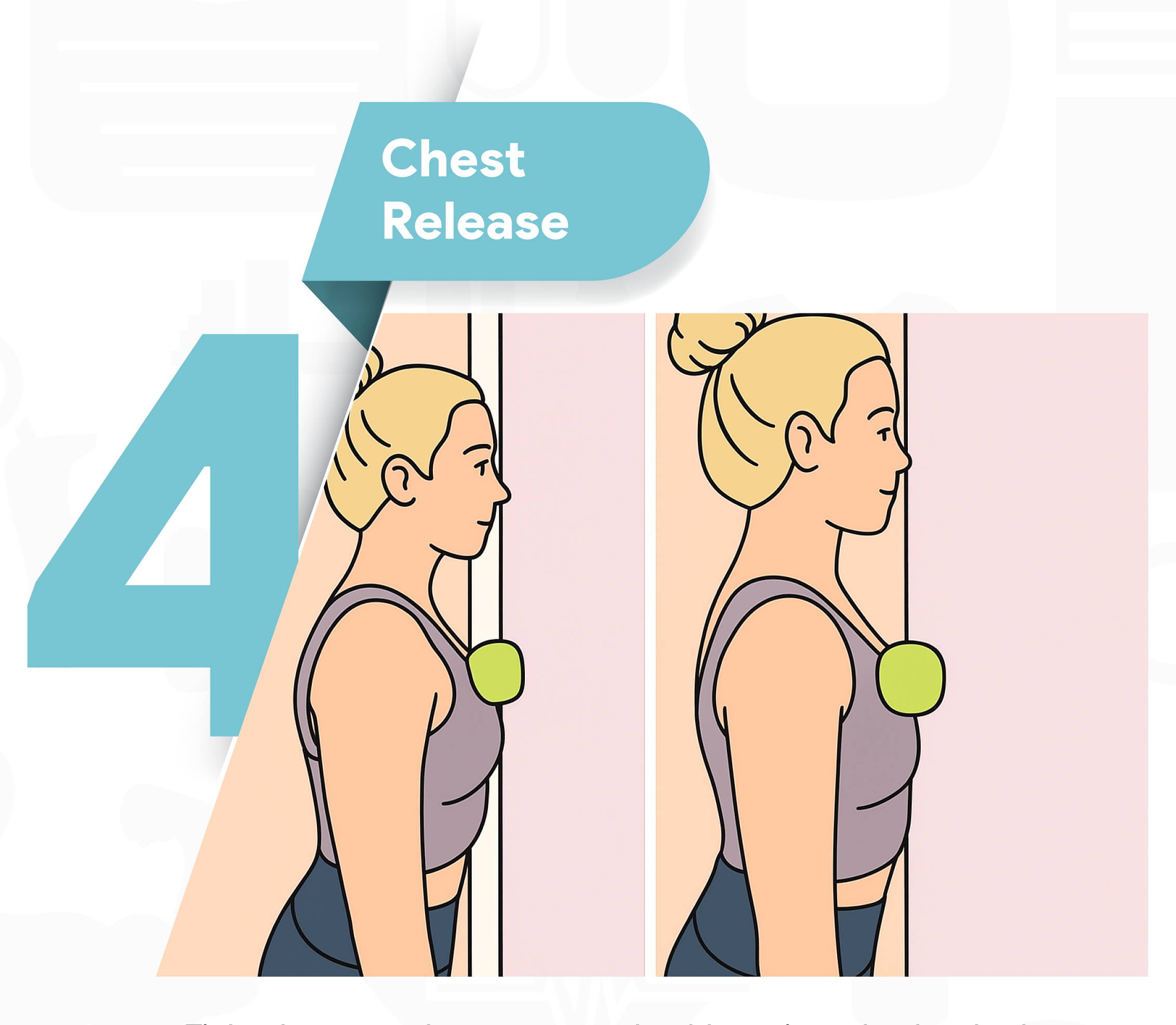
Chest Release
Tight chest muscles can cause shoulder pain and a slouched posture.
1. Place the ball on the upper chest and lean into a wall.
2. Roll outward toward the armpit, lifting your arm to deepen the stretch.
3. Continue rolling up toward the collarbone, circling back to the start. Hold pressure on any tight points for 20–30 seconds, then switch sides.
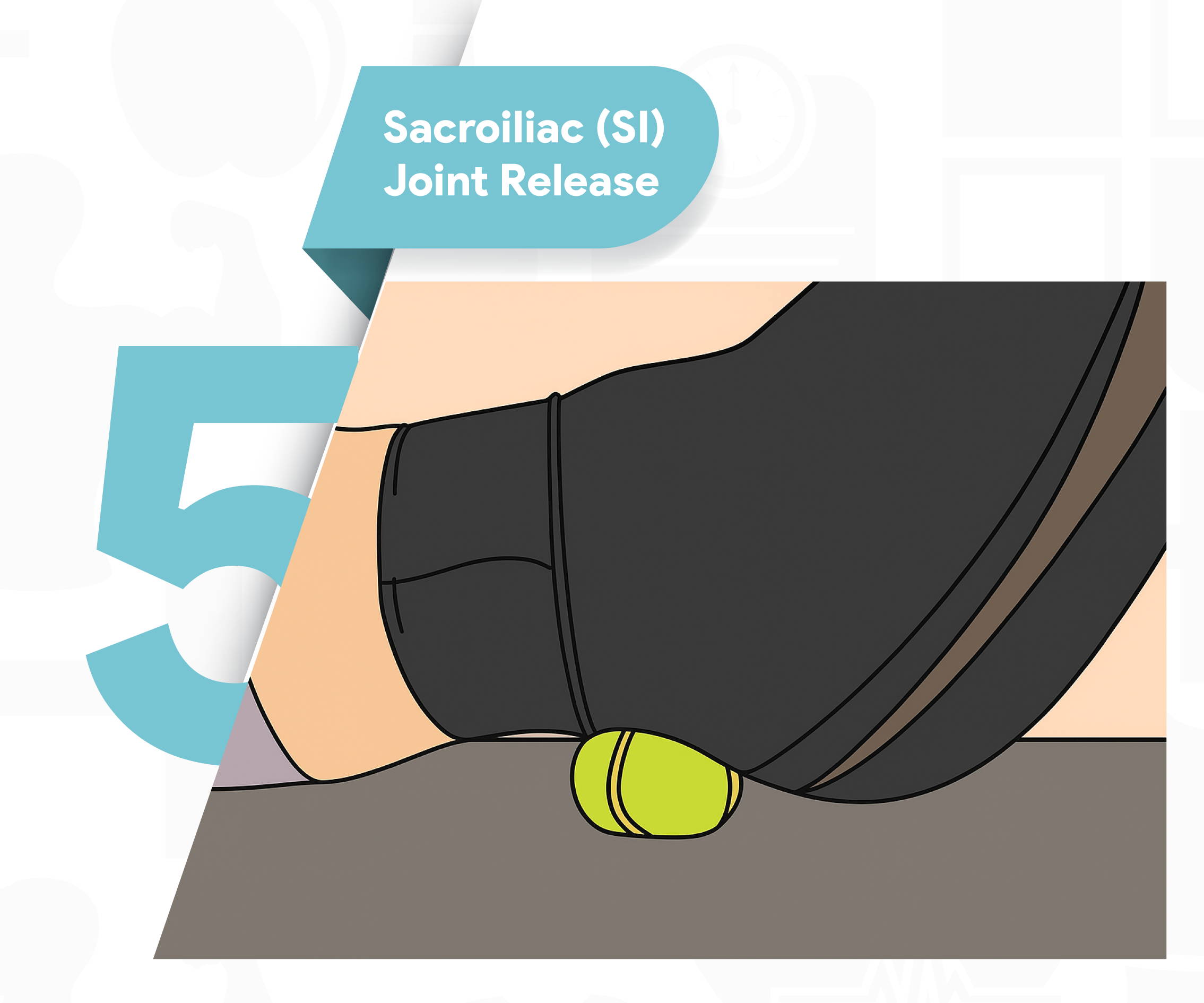
Sacroiliac
In the pelvis, the SI joint often tightens in women due to hormonal changes, pregnancy, or childbirth.
1. Lie on your back with knees bent and place two tennis balls under your pelvis.
2. Relax for about 60 seconds. For a deeper stretch, extend your legs.
3. Gently shift to target different areas of tension.
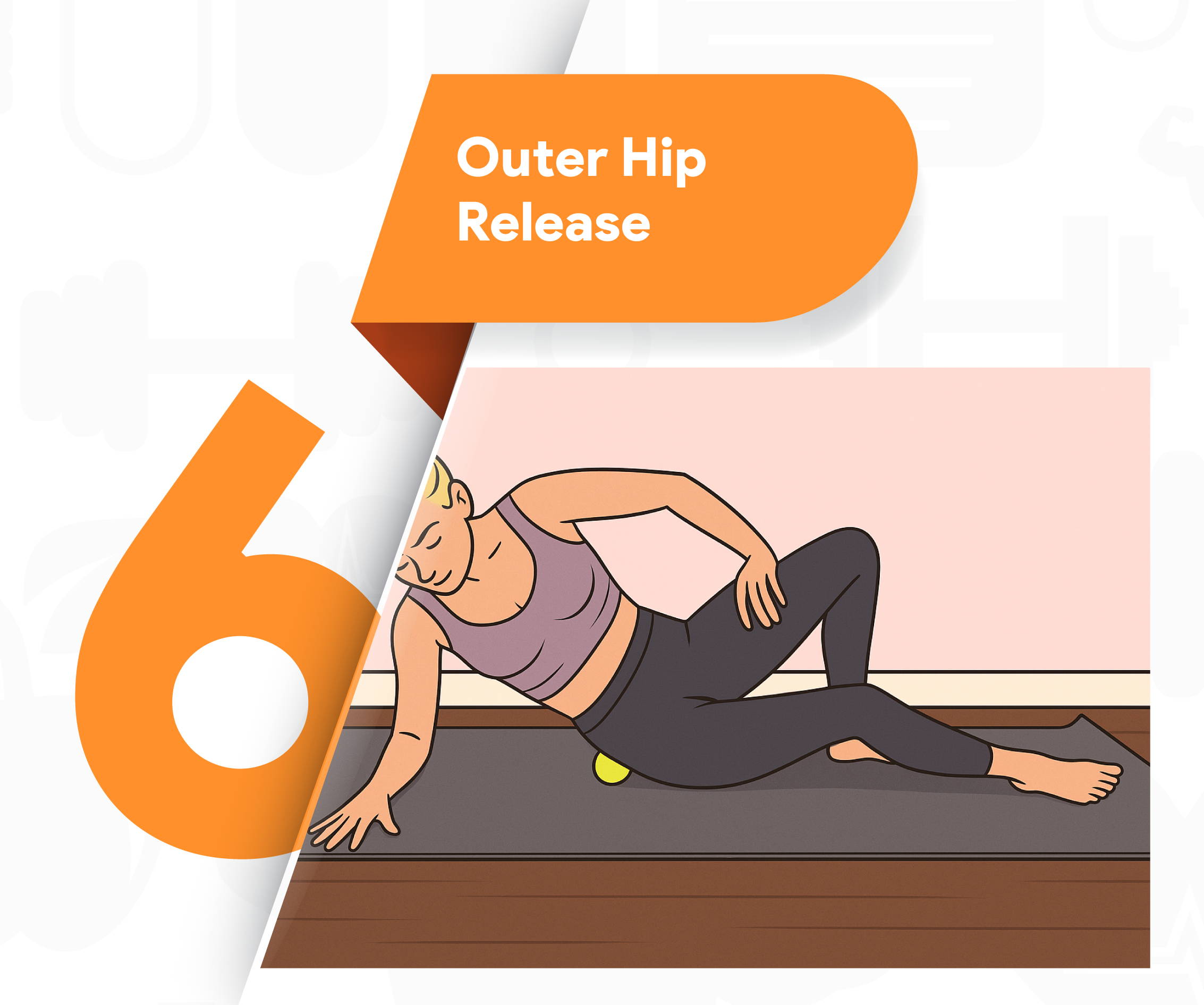
Outer Hip
Trigger points in the gluteus medius, gluteus minimus, and piriformis can lead to pain in the hips, back, and legs.
1. Lie on your side with the ball under the outer hip.
2. Slowly roll around the area, moving up toward the hip bone and side to side.
3. Hold on any trigger points for 20–30 seconds, then switch sides.
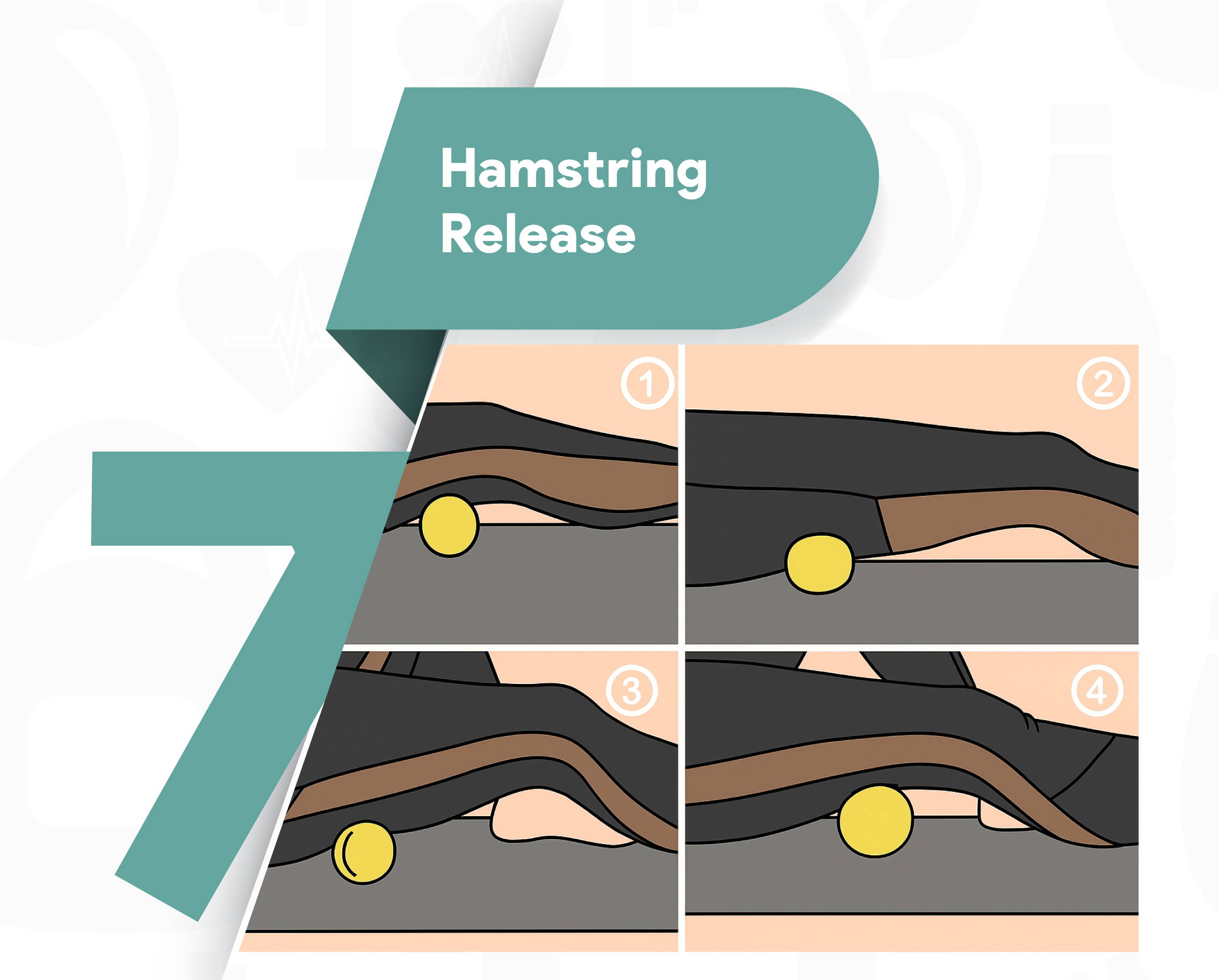
Hamstring
The hamstrings can hold several trigger points, referring pain to the thigh, knee, calf, or glutes.
1. Sit with legs extended and place the ball beneath your hamstring, just above the knee.
2. Slowly roll the ball along the inner and outer hamstring.
3. Stop and hold on any painful areas, then switch sides.
Glute Release
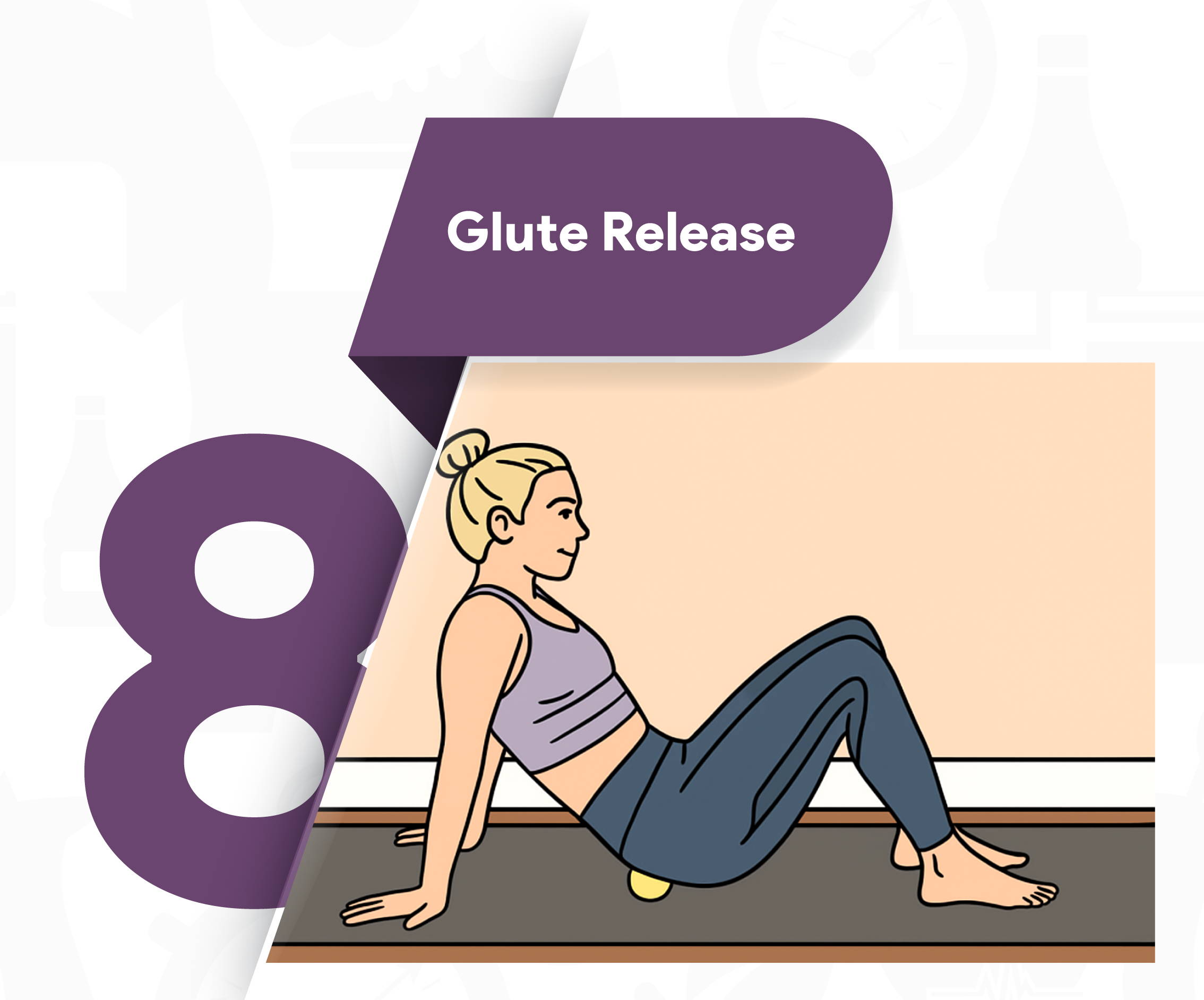
Tension in the gluteus maximus can mimic lower back pain.
1. Sit with the ball under the upper part of your glute.
2. Make small rolling movements up, down, and side-to-side.
3. Pause on tight areas for 20–30 seconds, then repeat on the opposite side.
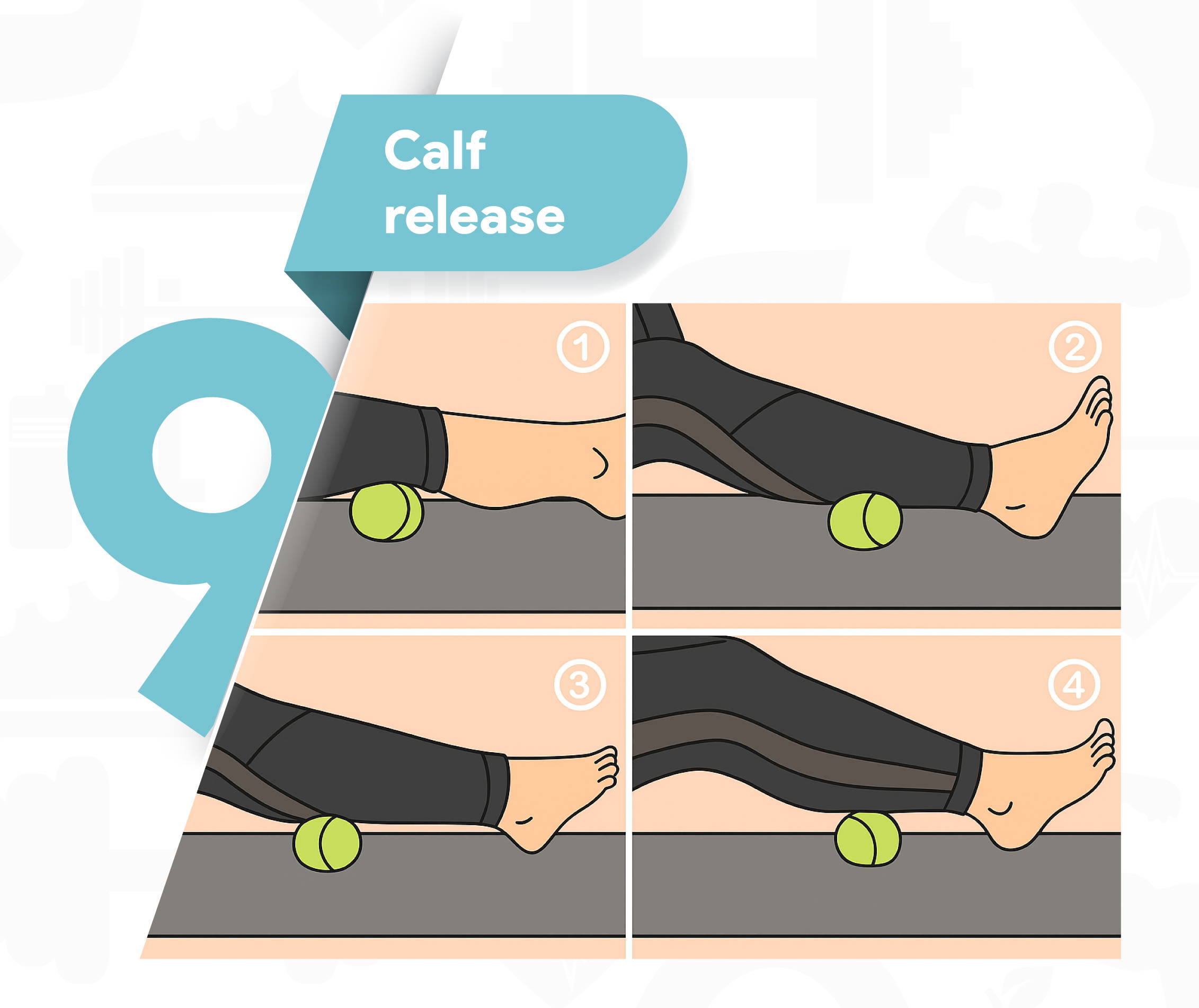
Calf Release
The calves consist of the gastrocnemius and soleus muscles, which can contain multiple trigger points causing discomfort in the knee, thigh, foot arch, Achilles tendon, and heel.
1. Place the tennis ball under the lower leg near the Achilles tendon and roll gently.
2. Gradually move the ball toward the knee, exploring inner and outer calf areas.
3. Stop and hold pressure for 20–30 seconds when a tender spot is found, then switch legs.